This summer, I had the incredible opportunity to attend the International Medieval Congress (IMC) at the University of Leeds. Known for bringing together scholars from around the world, the IMC is a week-long academic whirlwind, with hundreds of talks, workshops, and events every day. As a first-year PhD student venturing into this immense community for the first time, I wasn’t entirely sure what to expect. But by the end of the week, I was not only inspired but also deeply grateful for the experience.
The conference began on a high note with a combat workshop, where I learned about historical fighting techniques alongside some wonderful participants. To my delight, I recognized a few familiar faces from previous conferences, and it was the perfect icebreaker to start building connections.
Throughout the week, I immersed myself in an array of sessions covering diverse topics. The sheer breadth of research on display—from manuscript studies to gender and material culture—was awe-inspiring. One highlight was the Viking Society for Northern Research’s first-ever drinks reception. It was a fantastic way to meet like-minded scholars in a more relaxed setting, and it felt wonderful to be part of such a vibrant, engaged community.
The conference wasn’t just about networking; it was also a chance to showcase my own research. On the final day, I presented my paper, The Beast Within Us: Blurring the Line Between Animal and Human in the Fornaldarsögur. Despite being scheduled towards the end, the panel drew an engaged audience, and the discussion that followed was lively and insightful. It was encouraging to hear positive feedback from established scholars who share my interests in Old Norse literature and medieval ecological studies.
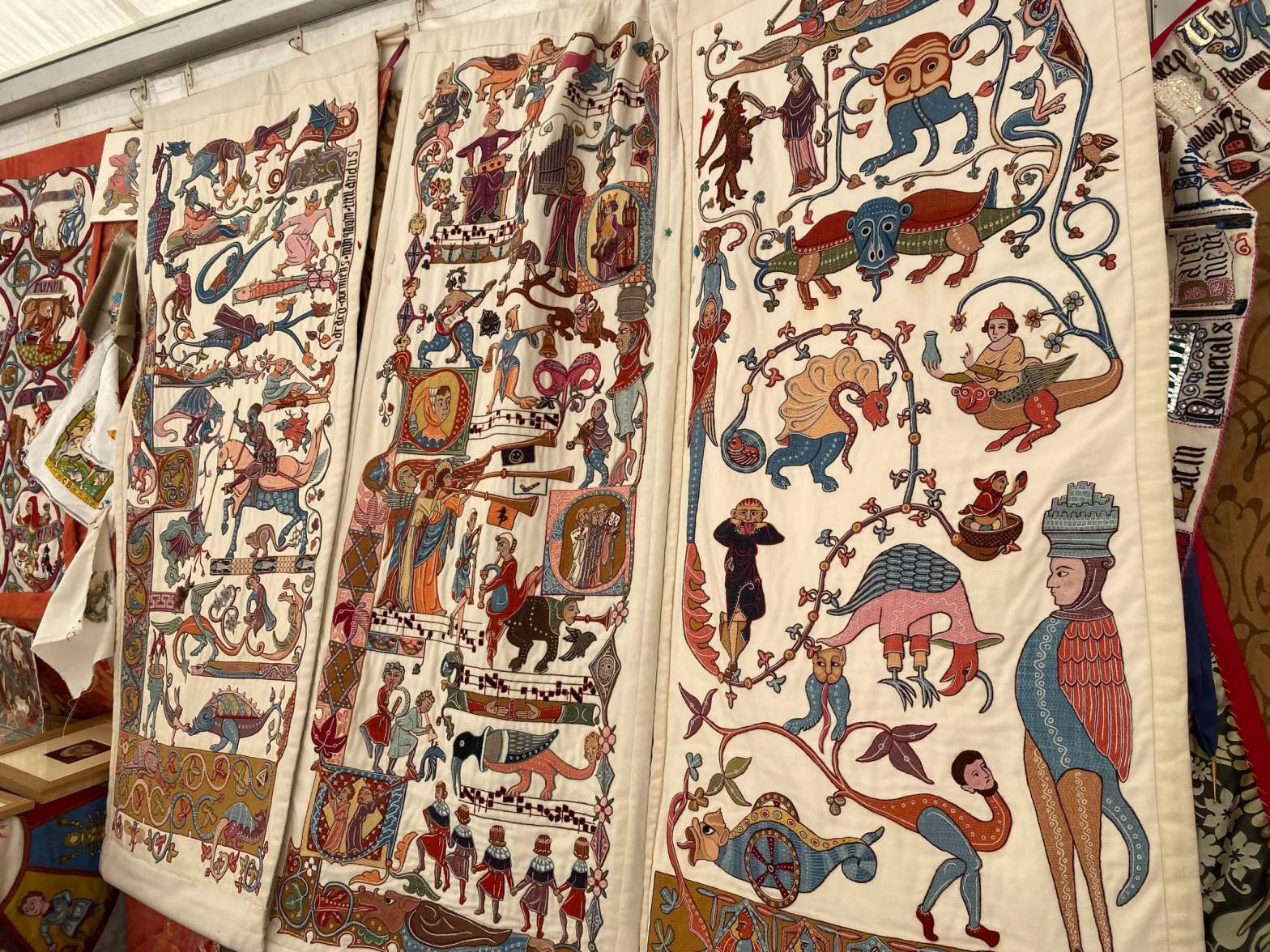
Outside the academic sessions, the IMC offered plenty to explore. The craft fairs, reenactments of medieval combat, and bustling book fairs were delightful additions that brought history to life. Wandering through these events, I was reminded of the diverse ways we can engage with the past, both as scholars and as enthusiasts.
Of course, the IMC will always hold a special place in my heart because it’s where The Premodern Body Project began. It was at this conference that I met Autumn after attending her fascinating talk on Early Modern ritual reform. Our shared enthusiasm led to the formation of our research group, which now includes James as well. Together, we’re thrilled to return to Leeds in 2025, where we’ll be presenting a round table discussion titled Suppression and Celebration: Exploring the Role of Women in Medieval and Early Modern Religious Discourse.
I’ll also be presenting another paper next year, exploring the intersections of theological and philosophical learning in the fornaldarsögur. It’s an exciting continuation of my work, and I can’t wait to engage with this incredible community once again.
The IMC 2024 was an unforgettable experience. For anyone considering attending, I wholeheartedly recommend it. Whether you’re an early-career researcher or an established academic, the IMC offers an unparalleled platform to share your work, discover new perspectives, and connect with a truly global network of medievalists.
 Bodies and Being